
Description: Bone and joint diseases are alarmingly on the rise among youth. Discover the causes, symptoms, and healthcare solutions today with Audace Pharma!
Keywords: Audace Pharma, Audace Vietnam, Audace, Rheumatoid Arthritis, bone and joint diseases, common joint diseases, symptoms of joint disease, causes of joint pain, how to treat joint diseases, medications for joint pain, how to prevent bone and joint diseases.
Bone and joint diseases are no longer a nightmare exclusive to the elderly; they are showing a significant trend of “rejuvenation” in modern society. Persistent pain and numbness not only reduce the quality of life but also pose a hidden risk of disability if not detected and treated in time. Gaining a thorough understanding of musculoskeletal diseases is the golden key to protecting your motor system and maintaining bodily flexibility. The following article will provide you with the most comprehensive, accurate, and scientific overview of this condition.
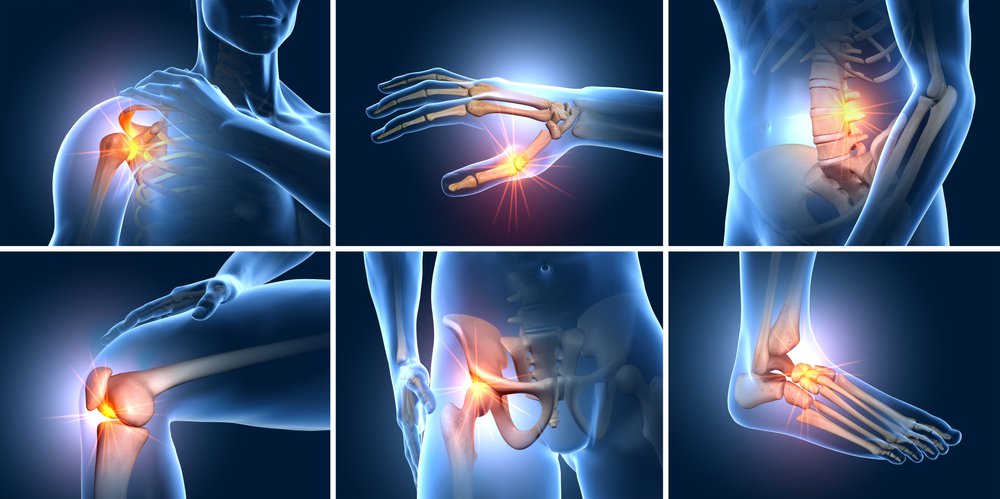
1. What is a Bone and Joint Disease?
The human musculoskeletal system is a complex mechanism composed of bones, joints, muscles, ligaments, and tendons, functioning to shape the body and perform motor functions. “Bone and joint disease” is a medical umbrella term used to refer collectively to conditions involving functional decline, damage, or deformities within these structures. These diseases typically cause severe pain, restricting a patient’s ability to walk, grip objects, and carry out daily activities.
According to the latest medical statistics, bone and joint disorders are among the leading causes of disability in adults. Joint damage usually progresses silently over many years. Initially, it may manifest only as microscopic wear and tear on the surface of the joint cartilage. Over time, however, as the cartilage erodes completely, the bone ends rub directly against each other, leading to excruciating pain and joint deformity.
2. Common Bone and Joint Diseases Today
Bone and joint disease is actually a group consisting of over 100 different pathological conditions. However, in Vietnam, the majority of patients suffer from one of the following typical ailments:
Osteoarthritis (Particularly of the knee, cervical, and lumbar spine)
Osteoarthritis is the natural aging and degeneration of the joint cartilage and the underlying subchondral bone. Joint cartilage acts as a smooth, protective cushion between two bone ends. When affected by degeneration, this cartilage layer gradually becomes thinner, rough, and cracked. This process stimulates the formation of bone spurs (osteophytes), which poke into surrounding tissues, causing inflammation and sharp, aching pain—particularly when the patient moves or carries heavy loads.
Rheumatoid Arthritis
Unlike osteoarthritis, which is mechanical in nature, rheumatoid arthritis is a systemic autoimmune disease. In this condition, the body’s immune system becomes mistaken and turns to attack its own synovial membrane (the lining inside the joints). The disease typically causes pain, swelling, and stiffness that are symmetrical on both sides of the body (for instance, affecting both hands or both feet). Without proper management, rheumatoid arthritis will destroy the joint cartilage, leading to joint fusion and deformities of the fingers and toes.
Herniated Disc
A spinal disc is a structure situated between two vertebrae, consisting of a tough outer layer (annulus fibrosus) and a soft, jelly-like core (nucleus pulposus), which acts as a shock absorber for the spine. Due to high pressure or trauma, the outer layer can rupture, causing the jelly-like core to leak out and directly compress the spinal nerve roots or the spinal cord. Patients with a cervical or lumbar disc herniation often endure sharp, stinging pain along the nerve pathways, accompanied by numbness and muscle weakness in the arms or legs.
Gout
Gout is a form of microcrystalline arthritis caused by a metabolic disorder of purines in the body, which leads to elevated levels of uric acid in the blood. When this concentration exceeds permissible thresholds, sharp, needle-like urate crystals precipitate and deposit into the joints (most commonly the big toe, ankles, and knees). The disease is characterized by acute inflammatory flare-ups, causing the joints to become severely swollen, bright red, and so excruciatingly painful that “even a gentle breeze can trigger agony.”
Osteoporosis
Osteoporosis is often dubbed the “silent killer” because it progresses without any painful symptoms in its early stages. This is a condition where bone density decreases, making the bone structure thinner, more porous, and more brittle than normal. Individuals with osteoporosis face a very high risk of bone fractures from minor bumps, slight falls, or even just coughing and bending over. The most vulnerable fracture sites include the wrists, hips, and vertebral compression fractures.
Here is the accurate, professional English translation of this section:
3. Common Symptoms of Bone and Joint Diseases
Although each musculoskeletal condition has its own underlying pathology, they all share common “warning signs” across the body that you must never ignore:
Mechanical or Inflammatory Pain: Pain can present as a dull ache or a sharp, intense sensation. For degenerative conditions like osteoarthritis, the pain usually worsens with movement and eases with rest. Conversely, for inflammatory arthritis, flare-ups often intensify at night or early in the morning when the body is in a state of rest.
Morning Stiffness: This is a phenomenon where patients wake up feeling that their joints are tight, stiff, and highly difficult to move. It typically takes 15 to 30 minutes (for osteoarthritis) or over an hour (for rheumatoid arthritis) of gentle massaging and light movement for the joints to become flexible again.
Joint Noises: When flexing the knees or twisting your body, you may hear “clicking”, “popping”, or “grating” sounds coming from inside the joints. This is a clear indicator that the cartilage surface has eroded, losing its smooth texture, or that the lubricating fluid in the joint is drying up.
Swelling, Heat, and Redness at the Joint Site: When tissues surrounding the joint become inflamed, blood vessels dilate to deliver white blood cells to suppress the injury, causing the joint to swell up, feel warm to the touch, and look visibly pinkish-red compared to the surrounding skin.
Numbness and Restricted Mobility: Patients encounter difficulties performing daily tasks such as bending over, turning their necks, climbing stairs, or standing up from a sitting position. If nerve compression is present, a “pins and needles” tingling sensation will radiate from the neck down to the arms or from the lower back to the feet.
4. Causes of Joint and Bone Pain
Identifying the root causes of musculoskeletal disorders is a crucial step toward targeted treatment and prevention. Medical specialists divide these causes into two main categories:
Non-Modifiable Factors
Age: Aging is a natural law. As we get older, bone resorption and cartilage erosion outpace the body’s natural regeneration process, gradually weakening the entire musculoskeletal framework.
Gender: Women experience higher rates of musculoskeletal diseases (especially knee osteoarthritis, rheumatoid arthritis, and osteoporosis) than men, particularly during perimenopause and menopause due to a sharp decline in estrogen levels, as well as after childbirth.
Genetics: If you have a family history of parents or siblings suffering from joint and bone diseases, your risk of developing similar conditions is inherently higher than average.
Modifiable Lifestyle Factors
Overweight and Obesity: Imagine the skeletal system as the load-bearing frame of a house. When body weight increases excessively, the knees, hips, and lumbar spine must endure a massive, continuous compressive force every day, accelerating the rate of cartilage degeneration.
Poor Posture in Daily Activities and Work: Habits like slouching while sitting, bending the neck downward to look at smartphones, crossing legs for extended periods, or lifting heavy objects incorrectly—common among office workers and manual laborers—are the direct causes of deforming the spine’s natural curves, triggering disc herniation.
Sedentary Lifestyle or Overtraining: Lack of physical activity weakens the muscles surrounding the joints, leaving them loose and failing to stimulate the secretion of synovial fluid for lubrication. Conversely, gym workouts or running at intensities that are too high or with incorrect forms increase the risk of acute injuries and joint overload.
Nutritional Deficiencies: A diet lacking essential nutrients like Calcium, Vitamin D3, Vitamin K2, Omega-3, and other trace minerals leaves the body without the raw materials needed to rebuild bone structure, resulting in brittle bones that fracture easily and cartilage that degrades rapidly.
Here is the accurate and professional English translation of the remaining sections of your article:
5. Current Treatment Methods for Bone and Joint Diseases
Modern medicine does not focus merely on temporary symptom relief. Instead, it targets safe pain management, maximum joint structure preservation, and the restoration of the patient’s mobility.
Non-Pharmacological Treatment (Physical Therapy): This is the preferred approach for mild to moderate cases. Modalities such as acupuncture, acupressure, thermotherapy (hot/cold compresses), laser therapy, or customized spinal decompression exercises help improve blood circulation, relieve pressure on nerve roots, and alleviate muscle spasms.
Pharmacological Treatment (Internal Medicine): During acute and severe pain flare-ups, physicians may prescribe conventional analgesics (Paracetamol), Non-Steroidal Anti-Inflammatory Drugs (NSAIDs), or muscle relaxants.
Critical Warning: Patients must absolutely avoid self-medicating with long-term Western drugs or relying on unverified “traditional home remedies” that may contain hidden Corticosteroids. Abuse of these substances can lead to catastrophic consequences, including gastric ulcers, gastrointestinal bleeding, liver and kidney failure, accelerated osteoporosis, and muscle atrophy.
Joint Nutrient Supplementation from the Root: The modern, safe trend in joint care involves using bioactive compounds that penetrate deep into the cartilage and subchondral bone. Ingredients clinically proven to be effective include Glucosamine Sulfate, Chondroitin Sulfate, and undenatured Type II Collagen. These act as the fundamental “building blocks” that enable the body to repair microscopic cartilage damage and boost synovial fluid production, allowing joints to glide smoothly without causing gastrointestinal side effects.
Surgical Intervention: Surgery is considered a last resort when conservative internal medicine yields no results, joints are severely deformed, or the patient faces a high risk of paralysis. Advanced techniques today include arthroscopic joint debridement, total knee or hip replacement, and discectomy for herniated discs.
6. Prevention and Care for a Healthy Musculoskeletal System
A healthy musculoskeletal system is not a natural given; it is the reward of a healthy lifestyle maintained consistently every day. Protect your framework today with these practical steps:
Build a “Golden” Diet for Your Joints: Boost your intake of calcium-rich foods (milk, yogurt, nuts, shrimp, crab), Omega-3-rich foods (salmon, tuna, walnuts) to fight inflammation, and consume plenty of fresh greens and fruits loaded with Vitamin C to stimulate natural collagen synthesis.
Maintain a Healthy Weight: Keep your Body Mass Index (BMI) within the ideal range (typically 18.5 to 22.9). If you are overweight, shedding just 3 to 5 kg can dramatically relieve pressure on your legs and spine.
Engage in Proper Physical Exercise: Dedicate 30 minutes a day to low-impact sports that are excellent for joint lubrication, such as swimming, cycling, brisk walking, or yoga. Always listen to your body and avoid exhausting exercises that cause pain.
Optimize Your Ergonomics: For office workers, ensure your computer screen is at eye level, your back is straight, your feet rest flat on the floor, and your thighs are parallel to the ground. Every 45 to 60 minutes, stand up, stretch, and perform a few light movements to release muscle tension.
While bone and joint diseases may not pose an immediate threat to life, they erode our quality of life silently day by day. Instead of enduring the pain or self-medicating blindly, proactively seeking screenings at reputable medical facilities at the first sign of abnormality is the smartest choice. Investing in your musculoskeletal health from a young age is your insurance policy for an independent, vibrant, and fulfilling life in your senior years.
Comprehensive Solutions in Partnership with Audace Pharma
Managing bone and joint diseases always requires a persistent treatment strategy and a profound understanding of the body’s metabolic mechanisms. Driven by our mission to provide medical-grade healthcare solutions, Audace Pharma is dedicated to walking alongside the community, delivering scientific knowledge and comprehensive methods to protect systemic organ functions.
Specifically, our current product lines, including Perfect Otibone Power, Osteocare Gold, and Nifajoint Flex, are essential components that help:
Alleviate Symptoms: Support natural pain relief and anti-inflammation at joint sites following joint pain flare-ups.
Regenerate and Protect: Provide Glucosamine, Chondroitin, and Omega-3 to nourish joint cartilage, preventing degeneration and joint deformities.
Maintain Mobility: Enhance the flexibility and durability of the musculoskeletal system, helping patients return to their daily activities soon.
We gladly welcome opportunities to connect and expand our partnership network with Regional Partners, offering exceptional values:
Gain early access to the launch schedule of supportive products for bone and joint health, developed on a foundation of rigorous, practical scientific research.
Provide customers with safe solutions that target the core pathology and various progressive stages of the disease.
Audace Pharma is committed to supporting our partners with flexible policies, dedicated professional expertise, and a transparent business vision.
If you are looking for a dynamic pharmaceutical partner that prioritizes research quality to co-develop and capture the market for supportive bone and joint treatments in the coming period, do not hesitate to connect with Audace Pharma!
—————————
𝐀𝐔𝐃𝐀𝐂𝐄 𝐏𝐇𝐀𝐑𝐌𝐀 – 𝐓𝐡𝐞 𝟏𝐬𝐭 𝐏𝐫𝐨𝐟𝐞𝐬𝐬𝐢𝐨𝐧𝐚𝐥 𝐏𝐡𝐚𝐫𝐦𝐚𝐜𝐞𝐮𝐭𝐢𝐜𝐚𝐥 𝐃𝐞𝐯𝐞𝐥𝐨𝐩𝐞𝐫 𝐀𝐠𝐞𝐧𝐜𝐲 𝐈𝐧 𝐕𝐢𝐞𝐭𝐧𝐚𝐦
📞 Hotline: (+84) 961 626 691
📍 Website: audacepharma.com
📩 Email: [email protected]