
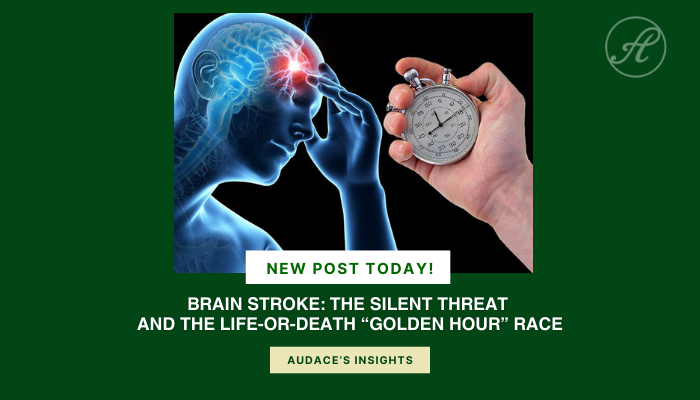
Brain stroke, also known as a cerebrovascular accident (CVA), has long been one of modern medicine’s greatest anxieties due to its sudden onset and the severe physical consequences it leaves behind. Essentially, this is a medical emergency that occurs when the blood flow nourishing the brain is obstructed or when a blood vessel within the brain ruptures. In just the few brief seconds that oxygen and nutrients cannot reach brain cells, a toxic chemical chain reaction is triggered, leading to the death of millions of neurons. Without timely intervention, this damage becomes permanent, stripping patients of their mobility, speech, and potentially their lives.
1. Distinguishing Types of Stroke: Which Risk Group Are You In?
To understand this disease, we first need to distinguish between the common types of stroke:
-
Ischemic Stroke: Accounting for the majority (about 85%) of cases, this forms when blood clots or plaque narrow the arteries, blocking blood flow.
-
Hemorrhagic Stroke: Though less common, it carries a higher mortality rate because blood leaks out of the vessels, creating extreme pressure on surrounding brain tissue.
-
Transient Ischemic Attack (TIA): Often ignored because symptoms appear momentarily and then vanish. However, medicine views TIA as a serious “warning bulletin,” indicating that a full-blown stroke could strike at any moment in the near future.
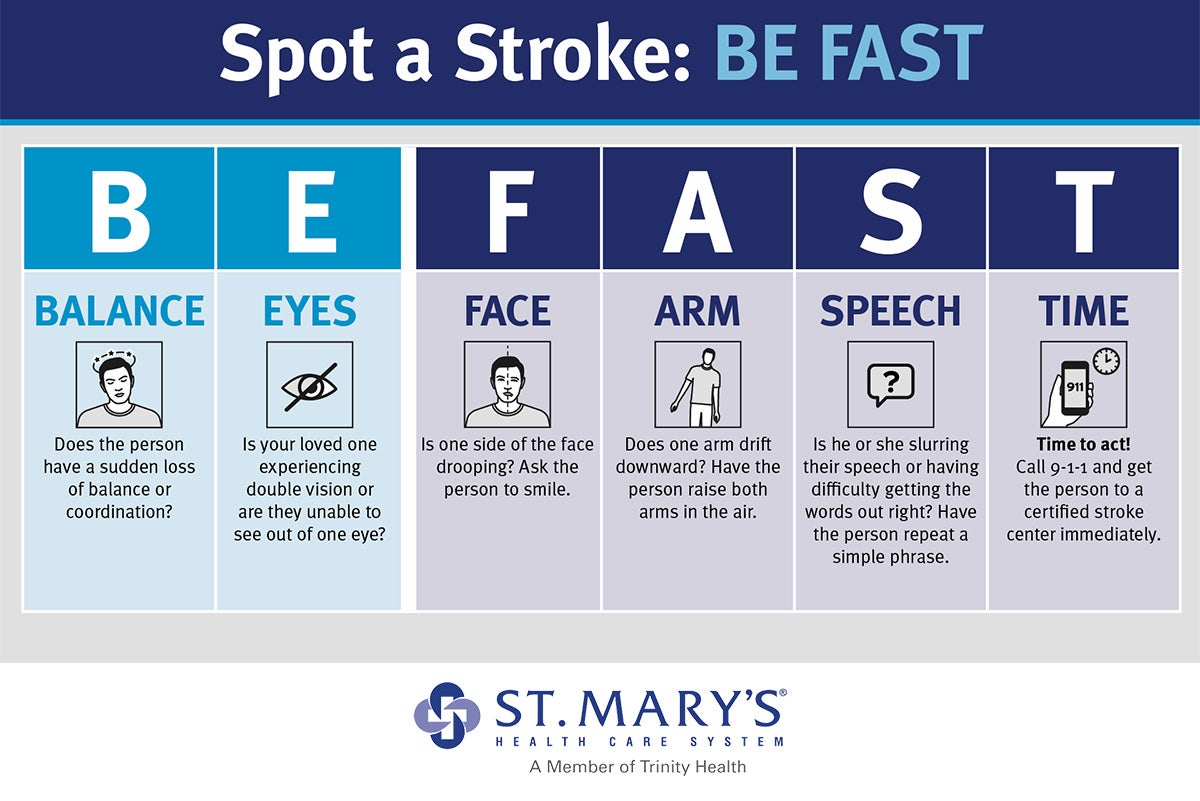
2. Recognition Signs via the B.E.F.A.S.T Rule
Stroke signs usually appear very rapidly and require keen observation using the B.E.F.A.S.T rule:
-
B (Balance): Dizziness, loss of orientation, or staggering gait.
-
E (Eyes): Blurred vision, sudden loss of sight in one or both eyes.
-
F (Face): Drooping mouth, asymmetrical philtrum, or one side of the face sagging when smiling.
-
A (Arm): Weakness or paralysis in the limbs on one side of the body. Inability to lift both arms simultaneously.
-
S (Speech): Slurred speech, difficulty speaking, or inability to understand others.
-
T (Time): Call emergency services immediately (115) or rush to the nearest medical facility with a stroke unit.
3. Causes of Stroke
The cause of a stroke is a complex combination of genetic factors and modern lifestyle. Among these, hypertension (high blood pressure) is identified as the leading “culprit,” silently destroying blood vessel walls over the years. Additionally, modern ailments such as diabetes, dyslipidemia (high cholesterol), and obesity contribute to accelerating blood clot formation.
A sedentary lifestyle, smoking, and alcohol abuse make blood vessels more brittle and prone to blockage. Notably, in recent years, psychological stress and chronic insomnia have been trending the average age of stroke victims younger, no longer confined only to the elderly.
4. The Importance of the “Golden Hour” in Stroke Treatment
In the medical era of 2026, stroke treatment has seen revolutionary strides thanks to technological support.
-
The “Golden Hour”: The first 3 to 4.5 hours remains the “diamond standard” for using thrombolytic drugs to dissolve blood clots.
-
Advanced Intervention: For large vessel occlusions, mechanical thrombectomy (endovascular intervention) has opened a window of survival even for patients who arrive at the hospital later.
-
AI Integration: The application of Artificial Intelligence (AI) in diagnostic imaging helps doctors identify salvageable brain tissue in seconds, leading to precise treatment decisions and minimizing paralysis or speech loss.
5. The Link Between Blood Pressure, Diabetes, and Stroke Risk
According to guidelines from the British Heart Foundation, high-risk groups include those with high blood pressure, high cholesterol, diabetes, and atrial fibrillation (arrhythmia). High blood pressure can cause ischemic strokes by narrowing arteries, but it also increases the risk of hemorrhagic strokes, as high pressure can cause vessels to burst.
6. Proactive Stroke Prevention
Prevention is not an impossible puzzle if we change small daily habits:
-
Healthy Diet: Reduce salt and saturated fats; increase green vegetables and nuts.
-
Physical Activity: Regular exercise keeps vessels flexible and stabilizes blood pressure.
-
Periodic Screening: Crucial for controlling latent risk factors.
AUDACE PHARMA – YOUR PARTNER IN STROKE PREVENTION & CARE
Audace Pharma understands that every healthy moment is a priceless gift. We are here to help you protect that gift with the most advanced medical solutions. We are proud to be the bridge bringing EU-GMP quality standards to the market, supporting the legal and distribution needs for healthcare lines in Southeast Asia.
SUPPORTIVE SOLUTIONS FROM AUDACE PHARMA:
Ginkgo LV Gold (Effervescent Tablets): A convenient daily solution to enhance cerebral blood flow, boost memory, and support work/study performance.
Nifalix-5B (Soft Capsules): A blend of Ginkgo biloba, Ginseng, and Vitamin B-Complex. Ideal for those facing headaches, fatigue, or high-pressure environments.
Perfect Vita G2: A comprehensive recovery solution combining Ginkgo, Ginseng, multivitamins, and minerals – designed for patients recovering from surgery or severe nutritional deficiencies.
The journey to prevent stroke is a long-distance race. Let Audace Pharma help you build a solid shield for your brain today.